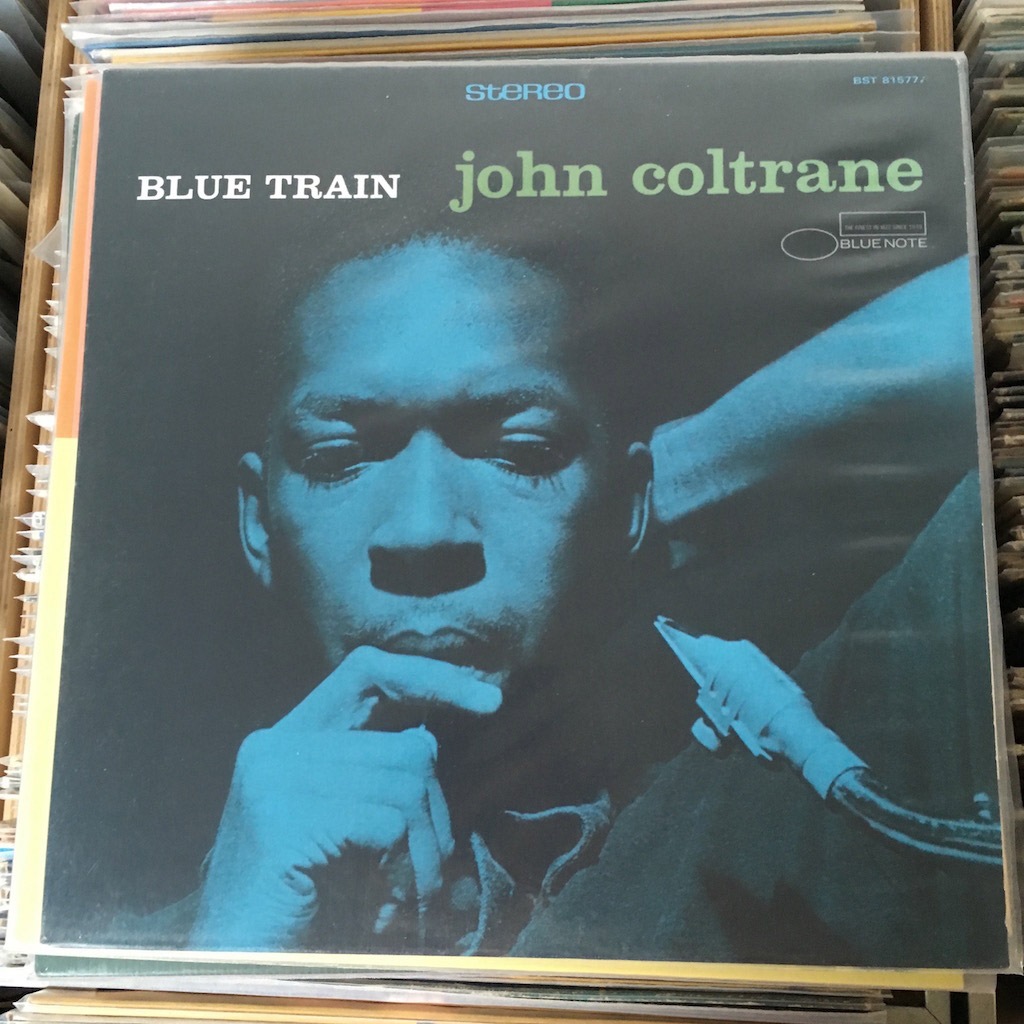
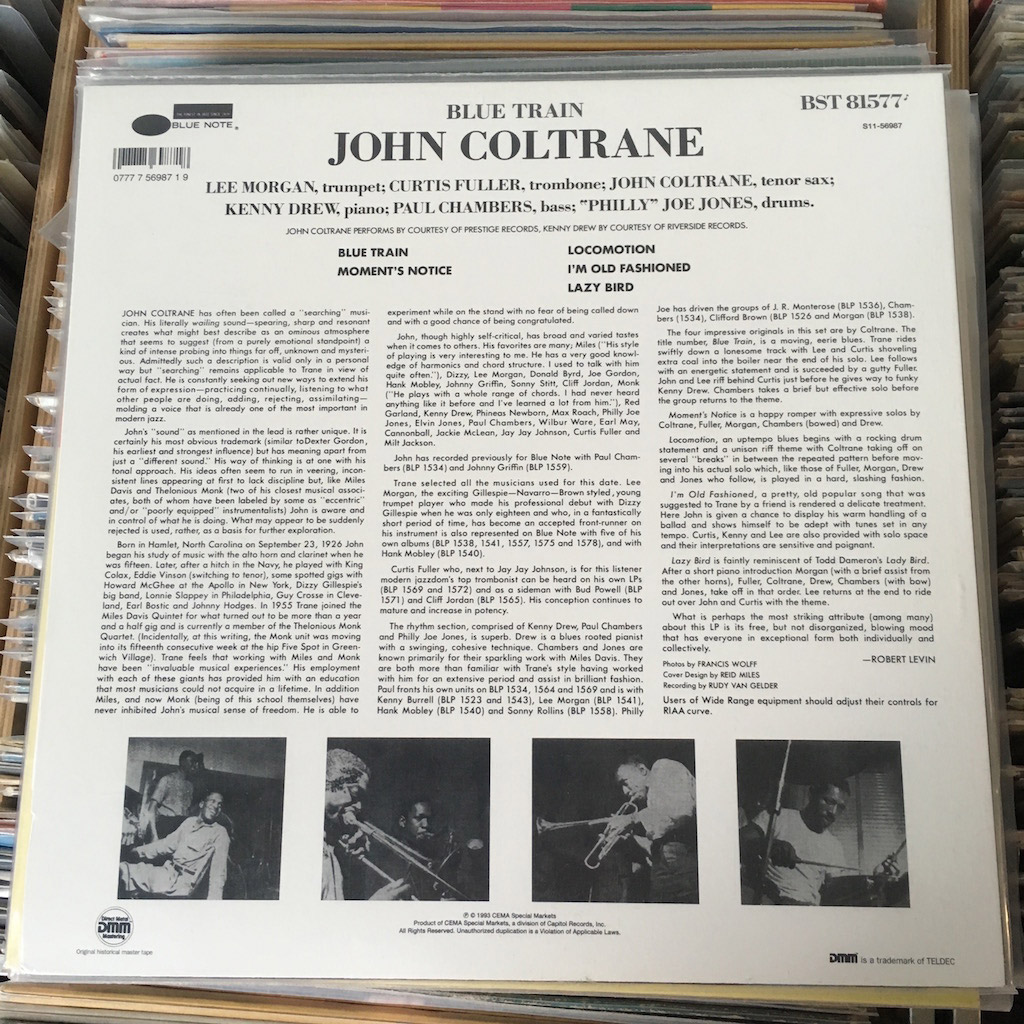
Without a doubt, this is a must-have in every jazz collection. John Coltrane influenced almost every jazz saxophone player on the planet and this is one of his key albums. Pure hard bop, copied often, but this is the real thing.. Here's the whole album:
Many young jazz players think that it was all recorded at once which might be true, but they forget that extensive touring preceded the recordings They might not have been rehearsing so much but when playing together for months every day they were shaping their band sound and getting to know each other's reflexes and musical language. To me this album is a great example of acoustic jazz with a playful rhythm section and storytelling soloists. I love Lee Morgan's trumpet solos. A true gem from the fifties.

This is the title track called Dark Horse. Just as in the album version it features sax and piano solos. It's a pretty wild performance, matching today's start of the Chinese New Year: THE YEAR OF THE FIRE HORSE!Live at Bimhuis, we added a drum solo. Afterwards, I decided to seperate it from the song and post it as an extra video below. Why not in one video?Because the video would become very very long and experience shows that people will not stick around for longer that 6-7 minutes. Yoràn's free drum solo is actually really great and in this seperate video, the true drum lovers can watch and learn from his drum story telling. Sometimes people ask me; What are drummers doing in their solos? To give you an idea of what Yoràn is doing in his solo: He starts with a pattern, an idea. He keeps the pattern going and plays variations over it. Then he combines it with soloing over it with call and reponse phrases and slides in new patterns. Technically it's interesting because he demonstrates a lot of independence and speed, as well as dynamics and sound colours, while telling a story, which means in musical context that the solo has certain elements which can be recognized by the (trained) listener. Many people in the Western part of the world miss the melodic and harmonic context during a free drum solo. It's fair to say a free drum solo without any accompaniment is like an abstract painting. Within the given context you can hear and see what you can manage, depending on your own frame of reference and expectations. In the end, it's about: does it resonate with you? Because both, the painting and the free drum solo, they lack a clear subject (no lyrics, no recognizable image), both forms are highly subjective and open to the interpretation of the audience. They function as a conversation between the artist's feeling and the viewer's/listener's perception.But you also can listen to it with a pure analytical drum ear and try to follow the patterns and phrases. As a musician and human I (try to) do both :-) Enjoy!More info:Susanne Alt: sax, Matthijs Geerts and Ike van Bergen: keys, Thomas Pol: bass, Yoràn Vroom: drums, Helene Jank: percussion Performed at 16th of January 2026 at Bimhuis, Amsterdam, Recorded by Onno Prillwitz Filmed by Robert Glass and Albert Nooij. - Without a doubt, this is a must-have in every jazz collection. John Coltrane influenced almost every jazz saxophone player on the planet and this is one of his key albums. Pure hard bop, copied often, but this is the real thing.. Here's the whole album:Many young jazz players think that it was all recorded at once which might be true, but they forget that extensive touring preceded the recordings They might not have been rehearsing so much but when playing together for months every day they were shaping their band sound and getting to know each other's reflexes and musical language. To me this album is a great example of acoustic jazz with a playful rhythm section and storytelling soloists. I love Lee Morgan's trumpet solos. A true gem from the fifties.